
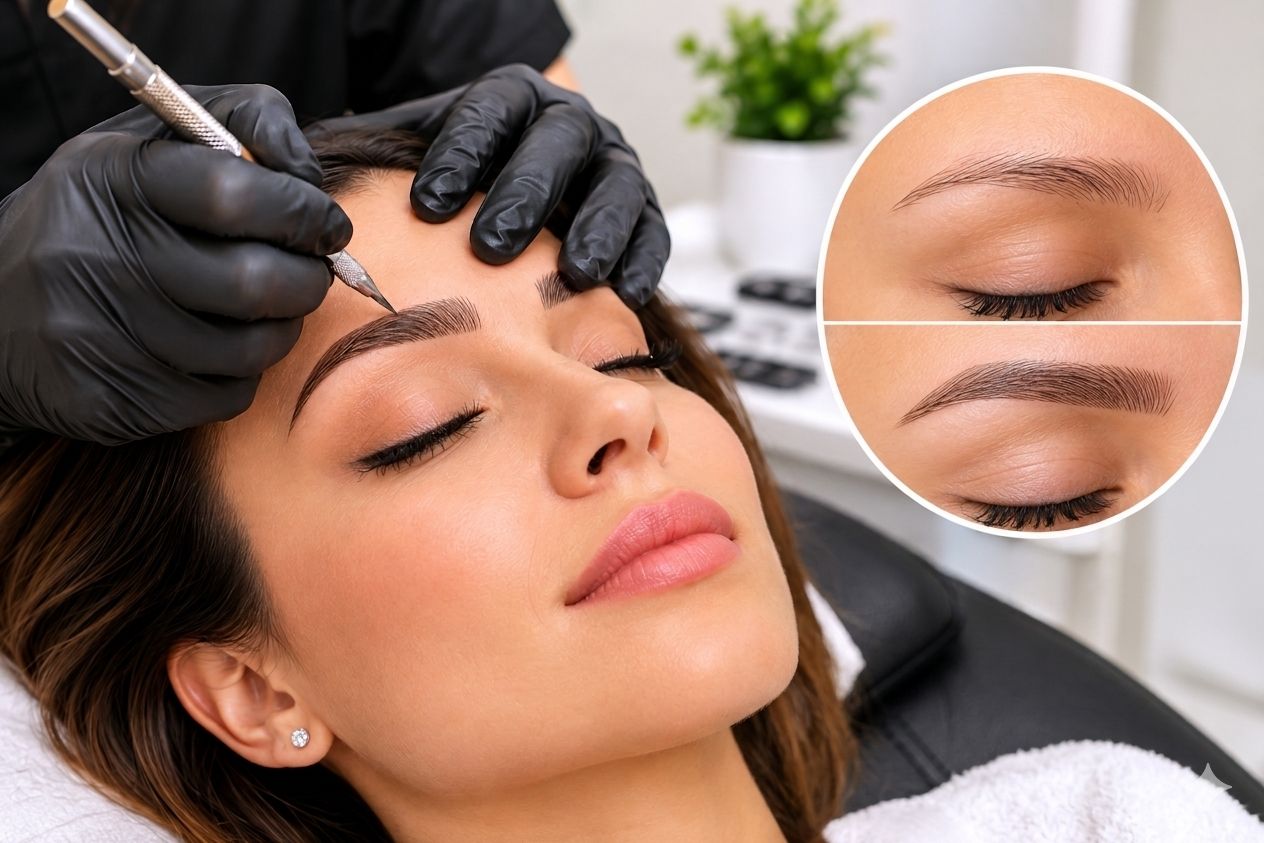
What if you could spend less time filling in your eyebrows every morning and still enjoy a naturally defined look? For people dealing with thin, uneven, or sparse brows, microblading services in Sterling, VA offer a semi-permanent way to enhance eyebrow definition. This technique uses fine, hair-like strokes to create the appearance of fuller brows while working with your natural shape.
However, achieving a look that complements your features involves more than choosing a brow design. Understanding the procedure, selecting a suitable shape, preparing for your appointment, and following proper aftercare all contribute to the experience. Before deciding whether microblading is right for you, it helps to know what happens at each stage.
What Makes Microblading Different from Everyday Brow Makeup?
Eyebrow pencils, powders, gels, and pomades can help create fuller-looking brows, but their results are temporary. They need to be applied regularly and removed at the end of the day. Microblading offers a different approach by placing pigment into the upper layers of the skin to create the appearance of individual eyebrow hairs.
A trained professional uses a handheld tool with fine needles to make small, precise strokes. These strokes follow the direction of natural brow growth, creating a textured appearance rather than a solid block of color.
Unlike traditional eyebrow tattooing, which may produce a more filled-in effect, microblading focuses on creating hair-like details. The final appearance depends on natural brow density, skin characteristics, pigment selection, and the desired design.
Is Microblading the Right Choice for Your Brows?
Not everyone has naturally full, evenly shaped eyebrows. Some people have small gaps, while others experience thinning due to over-plucking, aging, or naturally sparse growth. Microblading may help improve the appearance of these areas.
People who may consider this treatment include:
- Individuals with naturally thin or uneven eyebrows.
- Those who want to fill visible gaps in their brow line.
- People who prefer a defined appearance without daily makeup application.
- Individuals looking to improve the appearance of brows that have become thinner over time.
However, microblading is not suitable for everyone. Skin type, existing skin conditions, certain medications, and individual healing patterns can influence treatment suitability. A professional consultation is important to discuss these factors before proceeding.
Finding an Eyebrow Shape That Complements Your Features
A beautiful brow design should complement your facial features rather than simply follow the latest beauty trend. The right shape depends on your natural eyebrow structure, facial proportions, hair color, and personal preferences.
During a consultation, a professional may consider several details:
- Natural Brow Growth: Existing hair patterns provide a useful starting point for designing the brows.
- Arch and Length: The position and shape of the arch can influence the overall appearance.
- Pigment Color: The selected shade should complement your natural coloring.
- Desired Definition: Some people prefer subtle enhancement, while others want more noticeable definition.
Taking time to discuss these details helps establish realistic expectations. It also allows you to communicate what you like or dislike before the procedure begins.
What Happens During Your First Microblading Appointment?
Knowing what to expect can make your first appointment feel less unfamiliar. Most procedures begin with a consultation, during which the professional examines your eyebrows and discusses your preferred appearance.
The next step generally involves mapping the brows and planning a shape that suits your facial features. Once the design is discussed and approved, the treatment area is prepared. A topical numbing product may be used to help manage discomfort, depending on the provider's approach.
The professional then creates fine strokes using a specialized handheld tool and applies pigment to achieve the planned appearance. The appointment length varies depending on the design, existing brow condition, and individual requirements.
When researching eyebrow microblading in Sterling, VA, it is helpful to ask potential providers about their professional training, sanitation practices, pigment quality, and previous work. These details can help you make a more informed decision.
The Healing Stage: Why Aftercare Matters
Your appointment does not end when the microblading procedure is complete. The skin needs time to recover, and following the recommended aftercare instructions is important.
During the initial healing period, the eyebrows may appear darker or more defined than expected. Some temporary flaking or scabbing may also occur as the skin heals. These changes are generally part of the recovery process.
Your provider may recommend:
- Keeping the treated area clean according to their instructions.
- Avoiding unnecessary touching, scratching, or picking.
- Limiting activities that cause excessive sweating during the initial healing period.
- Protecting the treated area from direct sun exposure as advised.
- Avoiding unapproved skincare products around the healing brows.
Healing experiences can vary, so follow the specific instructions provided by your professional. A follow-up appointment may also be recommended to assess pigment retention and determine whether adjustments are needed.
Make an Informed Choice for Your Brow Goals
Choosing microblading is a personal decision that deserves careful consideration. From selecting a suitable shape to understanding the healing process, every stage plays a role in the overall experience.
If you are considering this treatment, take time to review professional portfolios, ask questions about hygiene and training, and discuss your skin characteristics during a consultation. With realistic expectations and appropriate professional guidance, you can determine whether microblading is a suitable way to achieve the fuller, more defined brows you want.